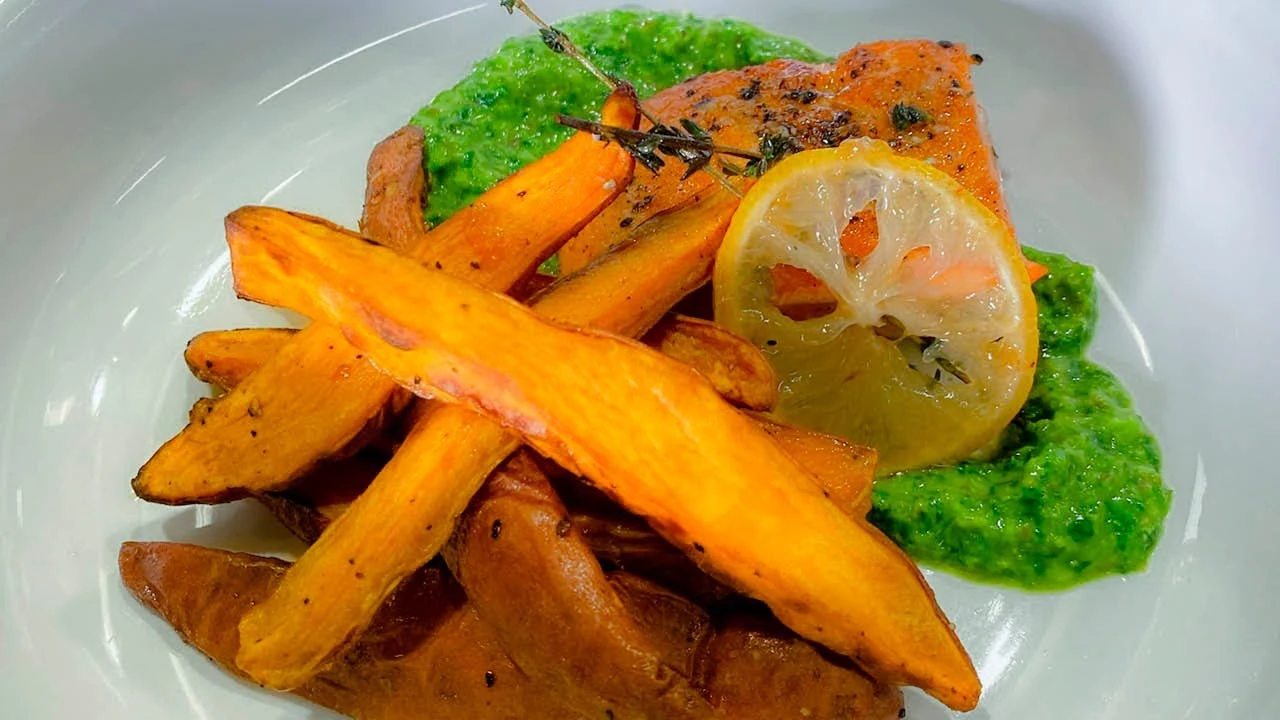
Good food does not have to be complicated.
A few reliable ingredients, the right cooking method, and a little attention while the food is on the stove can make a big difference. That is the practical idea behind this cooking guide heartumental.
Instead of treating cooking like a long list of strict rules, think of it as learning what works. You learn how much heat a pan needs, when vegetables are ready, how to fix a bland sauce, and which oil makes sense for the dish.
Once those basics become familiar, recipes get much easier.
What Is Heartumental Cooking?
Heartumental cooking is a simple approach to preparing food with both practical cooking fundamentals and a personal connection to the meal.
The fundamentals are the things that make food work: preparation, heat, timing, seasoning, texture, and choosing the right ingredients.
The personal side is what makes a meal yours.
Maybe you are making a family recipe. Maybe you are using vegetables left in the refrigerator. Or maybe you are preparing a quick dinner after a busy day.
The point is not to cook perfectly.
The point is to understand the basics well enough that you can make good food without overthinking every step.
Start With the Basics Before Trying Complicated Recipes
If you are new to cooking, do not begin with recipes that require 20 ingredients and five different pans.
Start with meals that teach you useful skills.
For example:
- Roast vegetables to learn how browning works.
- Cook eggs to understand gentle heat.
- Make a simple pasta sauce to practice seasoning.
- Cook rice to learn timing and moisture control.
- Make a stir-fry to practice preparing ingredients before cooking.
These simple dishes teach skills that transfer to dozens of other recipes.
A Better Way to Read a Recipe
Before you turn on the stove, read the whole recipe once.
This takes less than a minute and can save you from several problems.
Check:
- What ingredients are needed?
- Which ingredients need chopping?
- Does anything need to marinate?
- Should the oven be preheated?
- Which pan or pot is required?
- When should each ingredient be added?
- Does the food need resting time?
One of the most common beginner mistakes is starting to cook and only then realizing that an ingredient needed to be prepared earlier.
A little preparation makes the actual cooking much easier.
Essential Ingredients for Recipes Heartumental
You do not need a specialty pantry.
A small collection of flexible ingredients is enough to make many different meals.
Keep these basics around
Proteins
- Eggs
- Chicken
- Fish
- Beans
- Chickpeas
- Lentils
- Tofu
Vegetables
- Onions
- Garlic
- Carrots
- Bell peppers
- Broccoli
- Spinach
- Tomatoes
- Potatoes
Staples
- Rice
- Pasta
- Oats
- Bread
- Flour
- Canned tomatoes
Flavor builders
- Lemon
- Vinegar
- Black pepper
- Paprika
- Cumin
- Dried herbs
- Fresh herbs
- Soy sauce
You can mix and match these ingredients rather than buying something new for every recipe.
Which Cooking Oil to Use Heartumental?
There is no single oil that is automatically the best for every meal.
When deciding which cooking oil to use heartumental, look at three things: the cooking method, the temperature, and the flavor you want.
| Cooking use | Possible oil | Why it can work |
|---|---|---|
| Salad dressing | Extra-virgin olive oil | Adds its own flavor |
| Sautéing | Olive oil or another suitable cooking oil | Useful for many everyday dishes |
| Roasting | Olive, avocado, or suitable neutral oil | Works well with vegetables and proteins |
| Baking | Canola or another neutral oil | Usually mild in flavor |
| Higher-heat cooking | An oil suited to the required temperature | Check the product’s recommended use |
The oil should fit the recipe rather than the other way around.
For example, if you are making a salad dressing, the flavor of the oil matters. For a cake, you may want an oil that stays in the background.
Also, do not let oil repeatedly smoke in the pan. If it is smoking heavily, reduce the heat and reassess the cooking method.
How Much Oil Should You Use?
More oil does not automatically mean better cooking.
For sautéing, you generally want enough to coat the cooking surface and help the ingredients cook properly.
For roasting, lightly coating vegetables can be enough.
For dressings, the oil becomes part of the finished flavor, so the amount depends on the recipe.
Start with the amount the recipe calls for and adjust from there.
What Is the Best Cooking Recipe Heartumental?
There is not one recipe that is best for everyone.
If you are looking for what is the best cooking recipe heartumental, start by asking what you need from the meal.
Do you need something quick?
Choose a one-pan dinner.
Want something inexpensive?
Build a meal around beans, lentils, rice, pasta, potatoes, or seasonal vegetables.
Want to practice cooking?
Choose a recipe with a few techniques rather than a complicated ingredient list.
A good everyday recipe should have:
- Ingredients you can actually find
- Clear quantities
- A sensible cooking order
- Realistic cooking times
- Useful heat instructions
- Simple substitutions
- Clear signs that tell you when the food is ready
That last point matters.
“Cook for 10 minutes” is less helpful than “cook until the vegetables are tender but still slightly crisp.”
Learn to Watch the Food, Not Just the Timer
Cooking times are useful, but they are not magic numbers.
A recipe may say 10 minutes, while your pan takes longer to heat or your vegetables are cut larger than the author’s.
Look at the food.
Are the onions soft?
Are the vegetables browned?
Has the sauce thickened?
Is the chicken cooked through?
Does the pasta have the texture you want?
These visual and physical signs become easier to recognize with practice.
That is when you start cooking from experience rather than simply following instructions.
Heat Control: The Skill That Changes Everything
A lot of cooking problems are really heat problems.
High heat is useful for quickly browning food, but it can also burn ingredients before they cook properly.
Low heat is useful for gentle cooking, but it may not create the browning you want.
A simple starting point is:
| Heat | Good for |
|---|---|
| Low | Gentle simmering and slow cooking |
| Medium-low | Eggs, sauces and delicate foods |
| Medium | Everyday sautéing |
| Medium-high | Browning and searing |
| High | Boiling or recipes that specifically require it |
You can always increase the heat later.
Starting too hot is harder to fix.
Why Your Vegetables May Turn Soggy
This happens often with stir-fries and sautéed vegetables.
The usual problem is an overcrowded pan.
When too many vegetables are packed together, they release moisture. Instead of getting good contact with the hot surface, they start steaming.
Try this instead
- Cut vegetables into similar sizes.
- Heat the pan before adding the ingredients.
- Use enough oil for the cooking method.
- Avoid filling the pan too heavily.
- Cook in batches if necessary.
- Let the vegetables sit against the pan long enough to develop color.
You do not need to stir constantly.
Seasoning: Fix the Problem, Not Just the Salt
A bland dish does not always need more salt.
Taste it and ask what is missing.
| Problem | Possible adjustment |
|---|---|
| Bland | Salt, herbs, spices or aromatics |
| Heavy | Lemon juice or vinegar |
| Too acidic | Balance with the other ingredients |
| Flat | More seasoning or fresh herbs |
| Dry | Sauce, stock or another moisture source |
| Lacking depth | Browning, garlic, onion or spices |
This is one of the most useful cooking habits to develop.
Taste before adding more.
Build a Meal Without a Recipe
Sometimes you have ingredients but no recipe.
That is where a simple formula helps:
Protein + vegetable + starch + flavor
For example:
Chicken + broccoli + rice + lemon-garlic sauce
Or:
Chickpeas + spinach + tomatoes + rice + cumin
Or:
Eggs + peppers + potatoes + fresh herbs
You can change the ingredients based on what is available.
This is much more practical than thinking you need a completely new recipe every night.
Easy Heartumental Meal Ideas
Here are a few simple combinations that fit the approach.
One-Pan Chicken and Vegetables
Add seasoned chicken, potatoes, carrots, onions, and suitable vegetables to a sheet pan. Coat lightly with oil and roast until the chicken is properly cooked and the vegetables are browned.
The advantage is simple cleanup.
Chickpea and Spinach Skillet
Cook garlic and onion, add chickpeas and tomatoes, then stir in spinach near the end.
Finish with lemon juice and your preferred herbs or spices.
It is quick, flexible, and works well with rice or bread.
Simple Vegetable Pasta
Cook pasta while preparing a quick pan sauce with olive oil, garlic, tomatoes, spinach, and herbs.
Toss everything together and adjust the seasoning before serving.
Rice and Egg Bowl
Use leftover rice with vegetables and a cooked egg.
Add soy sauce, chili flakes, herbs, or another seasoning you enjoy.
This is a good example of why leftovers can become ingredients rather than waste.
Basic Cooking Skills Worth Practicing
Knife skills
You do not need professional chef techniques.
Focus on cutting ingredients safely and keeping pieces reasonably similar in size.
That alone improves cooking consistency.
Sautéing
Learn to control the heat and avoid overcrowding the pan.
Give food enough time to brown.
Roasting
Use similar-sized pieces and avoid covering the tray too heavily.
Good spacing helps vegetables roast instead of steaming.
Simmering
A simmer should be gentle rather than violently bubbling.
This is useful for soups, sauces, beans, and many one-pot meals.
Baking
Baking is less forgiving than many stovetop recipes.
Measure ingredients carefully and follow the temperature and timing instructions closely.
Smart Substitutions
You do not always need to make a second trip to the grocery store.
Depending on the recipe, you may be able to make simple swaps.
- No broccoli? Try cauliflower.
- No chickpeas? Use another suitable bean.
- No fresh spinach? Frozen spinach may work in cooked dishes.
- No rice? Try another grain or a suitable starch.
- No fresh herbs? Use dried herbs, adjusting the amount.
But be careful with baking.
Replacing flour, eggs, liquid, or leavening agents can change the structure of baked food significantly.
Meal Prep Without Spending Your Sunday in the Kitchen
Meal prep does not have to mean preparing seven identical containers.
Instead, prepare a few components.
For example:
Cook one grain.
Rice, quinoa, or another grain can become the base for several meals.
Prepare one protein.
Cook chicken, beans, tofu, or another protein you will actually use.
Prepare vegetables.
Wash, cut, roast, or steam enough for the next few meals.
Keep sauces separate.
This helps prevent vegetables and grains from becoming soggy.
Now you can combine those components differently throughout the week.
Common Cooking Mistakes
Starting before preparing ingredients
Chopping onions while garlic is already burning in the pan is an easy way to create unnecessary stress.
Fix: Prepare the ingredients first when the recipe moves quickly.
Overcrowding the pan
This prevents proper browning.
Fix: Cook in batches.
Using maximum heat
High heat does not make every recipe faster.
Fix: Match the heat to the food.
Adding seasoning only at the end
Some ingredients benefit from seasoning during cooking.
Fix: Build flavor in stages when appropriate.
Following the timer blindly
Cooking time varies between kitchens.
Fix: Use the timer as a guide and check the food itself.
How to Become More Confident in the Kitchen
You do not need to memorize dozens of recipes.
Cook a small group of meals repeatedly.
The first time you may overcook the vegetables.
The next time you adjust the heat.
Then you notice the sauce needs more acidity.
After several attempts, you start making these decisions automatically.
That is real cooking experience.
You are learning how food behaves.
A Simple Recipe Guide Heartumental Framework
If you are creating or choosing a recipe, use this structure:
1. Decide the goal
Is it a quick dinner, family meal, budget dish, meal-prep recipe, or comfort food?
2. Pick the main ingredient
Choose your protein, vegetables, grain, or other centerpiece.
3. Choose the cooking method
Decide whether roasting, sautéing, baking, simmering, or another method fits the food.
4. Add flavor
Use aromatics, herbs, spices, acid, sauces, or other ingredients that fit the dish.
5. Taste and adjust
Do not wait until the plate is on the table to discover that something is missing.
This five-step approach can turn random ingredients into a workable meal.
What Makes a Good Heartumental Recipe?
A useful recipe should make the cooking process easier.
It should answer the questions a cook is likely to have before they need to ask them.
For example:
- How much do I need?
- What do I prepare first?
- How hot should the pan be?
- When do I add the next ingredient?
- How do I know when it is done?
- Can I substitute anything?
- What should the finished food look or feel like?
That is much more helpful than filling a page with generic cooking advice.
Keep Cooking Practical
You will not always have every ingredient.
You will not always have an hour to cook.
Sometimes dinner will be simple.
That is fine.
A good cooking habit should survive real life.
Use what you have. Learn from mistakes. Keep a few reliable recipes in rotation. Understand the basics well enough to make adjustments.
That is where the heartumental approach becomes useful.
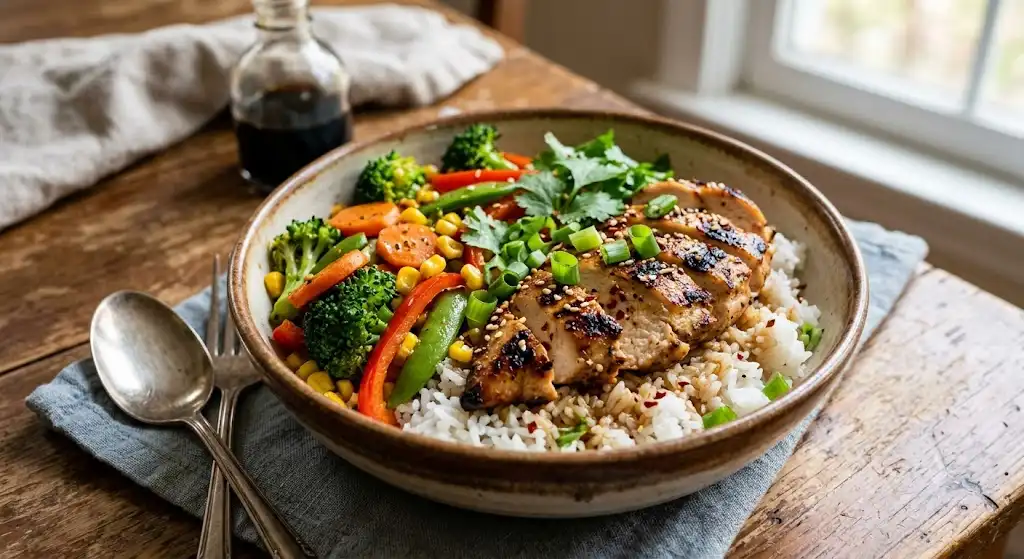
Heartumental Simple Chicken & Vegetable Rice Bowl
Ingredients
Equipment
Method
- Place the chicken pieces in a bowl. Add paprika, garlic powder, black pepper, and salt. Toss until the chicken is evenly coated.
- Heat 1 tablespoon of olive oil in a large skillet over medium-high heat. Add the chicken in a single layer and cook for about 5–7 minutes, turning occasionally, until browned and cooked through. Transfer the chicken to a plate.
- Add 1 teaspoon of oil to the same skillet. Add the onion, carrot, and bell pepper. Cook for about 3 minutes, then add the broccoli and garlic. Continue cooking for another 3–5 minutes, until the vegetables are tender but still slightly crisp.
- Return the cooked chicken to the skillet and toss with the vegetables. Cook for another 1–2 minutes so the flavors come together.
- Divide the warm cooked rice between two bowls. Top with the chicken and vegetables. Finish with fresh lemon juice and parsley or cilantro if desired.
Notes
Frequently Asked Questions
1. What is Heartumental cooking?
Heartumental cooking combines basic cooking skills with simple, personal, everyday meals.
2. What is the best cooking recipe Heartumental?
The best recipe depends on your time, ingredients, cooking skills, and personal taste.
3. Which cooking oil should I use Heartumental?
Choose an oil based on the cooking method, temperature, and flavor you want.
4. What are the basic cooking skills to learn?
Start with knife skills, heat control, seasoning, sautéing, roasting, and simmering.
5. How can I make Heartumental recipes easier?
Prepare ingredients first, follow the cooking order, and use simple substitutions when needed.
6. Can beginners follow Heartumental recipes?
Yes. Start with simple recipes and build your cooking skills through regular practice.
Final Thoughts
The best cooking guide heartumental is not the one with the most recipes. It is the one that helps you make better decisions in your own kitchen.
Learn how to control heat. Prepare ingredients before cooking. Taste as you go. Understand why a recipe uses a particular method. Choose your cooking oil according to the dish rather than searching for one universal winner.
When exploring recipes heartumental, look for meals that fit your actual schedule and ingredients.
When you need a recipe guide heartumental, focus on clear steps, realistic timing, useful substitutions, and practical cooking cues.
And when asking which cooking oil to use heartumental or what is the best cooking recipe heartumental, remember that context matters.
Cooking gets easier when you stop trying to make every meal perfect.
Learn the fundamentals, cook often, make small adjustments, and let experience do the rest.
1 thought on “Cooking Guide Heartumental: Recipes, Cooking Oils & Easy Kitchen Tips”